Fall Prevention Starts at Home
Fall Prevention Starts at Home: Simple Steps That Protect Independence Falls are one of the most serious and common health risks facing our seniors (older adults). In the United States, more than one in four adults age 65 and older falls each year, and having one fall doubles the chance of falling again. Falls are also a leading cause of injury, emergency department visits, and loss of independence among older adults. The good news is that falls are not an inevitable part of aging. Many fall risks are modifiable, and small changes in the home and daily routine can make a meaningful difference. The CDC’s STEADI initiative emphasizes screening for fall risk, identifying modifiable factors, and intervening early with practical prevention strategies.
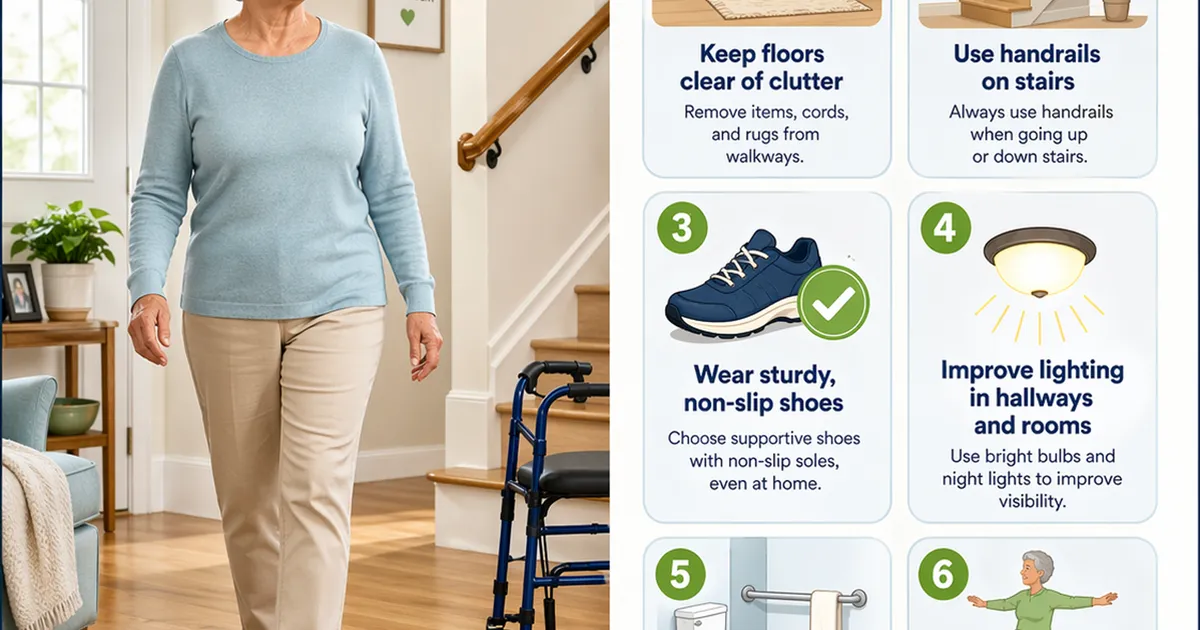
Why fall prevention matters A fall can change everything. What may seem like “just a slip” can lead to fractures, hospitalization, fear of walking, reduced mobility, and a loss of confidence. Beyond the immediate injury, falls can start a cycle of deconditioning and dependence that affects quality of life for both older adults and their families. National organizations such as the CDC, NIA, and NCOA all stress that prevention is far better than recovery after a serious fall. Six practical ways to reduce fall risk at home 1. Keep floors clear of clutter Walkways should be free of loose cords, small furniture, and items that can be tripped over. The National Institute on Aging recommends removing area rugs or securing carpets firmly to the floor, since uneven or loose surfaces can become fall hazards. 2. Use handrails on stairs Stairs deserve special attention. Good handrails on both sides, when possible, can provide stability going up and down. The NIA specifically recommends ensuring safe stair access and adequate lighting at the top and bottom of stairways. 3. Wear sturdy, non-slip shoes Supportive footwear matters, even inside the home. Shoes with good grip and stability are safer than slippery socks, backless slippers, or worn-out soles. Footwear is one of the practical areas addressed in fall-prevention guidance because traction and stability affect balance with every step. 4. Improve lighting in hallways and rooms Poor visibility increases risk, especially at night or in transitional spaces like hallways, stairs, and bathrooms. The NIA recommends good lighting throughout the home and using night lights to improve visibility. 5. Use grab bars in the bathroom Bathrooms are one of the highest-risk areas because of wet, slick surfaces and frequent transfers. Installing grab bars near the toilet and in the shower or tub is a widely recommended safety measure. Nonslip strips or mats on wet surfaces can also help reduce risk. 6. Stay active to maintain strength and balance Exercise is one of the most effective fall-prevention tools available. The National Institute on Aging notes that regular physical activity, especially balance and strength training, helps improve muscle strength, flexibility, and stability. Activities that include aerobic, muscle-strengthening, and balance work can support safer mobility and reduce the likelihood of serious injury. Fall prevention is more than home modification A safer home is essential, but fall prevention should also include a broader review of health factors. The NIA advises older adults to talk with a healthcare professional about medication side effects, dizziness, vision or hearing changes, and the need for mobility aids such as a cane or walker. These factors can quietly increase fall risk if they are not addressed. The CDC also notes that many fall risks are modifiable. That means prevention is not limited to “being careful.” It includes checking medications, evaluating gait and balance, reviewing prior falls, and making targeted interventions before a serious injury occurs. A message for families and caregivers For families, caregivers, and clinicians, fall prevention is one of the clearest ways to help an older adult remain safe and independent at home. Often, the best approach is simple: walk through the home, look for hazards, improve lighting, support safe mobility, and encourage activity that builds strength and confidence. Small changes can have a large effect over time. Final thoughts Fall prevention is not about limiting freedom. It is about preserving it. A clear hallway, a handrail, a grab bar, better shoes, and a commitment to strength and balance can help older adults move through daily life with more safety and confidence. And when we protect mobility, we also protect dignity, independence, and quality of life. References: 1. Centers for Disease Control and Prevention. Facts About Falls. Updated January 27, 2026. 2. Centers for Disease Control and Prevention. About STEADI. 3. Centers for Disease Control and Prevention. About Older Adult Fall Prevention. 4. National Institute on Aging. Infographic: Home Safety Tips for Older Adults. 5. National Institute on Aging. Infographic: Six Tips To Help Prevent Falls. 6. National Institute on Aging. Falls and Fractures in Older Adults: Causes and Prevention.